Japanese Walking Method to lose Belly Fat Fast
Japanese Walking Method for Weight Loss - Over 50
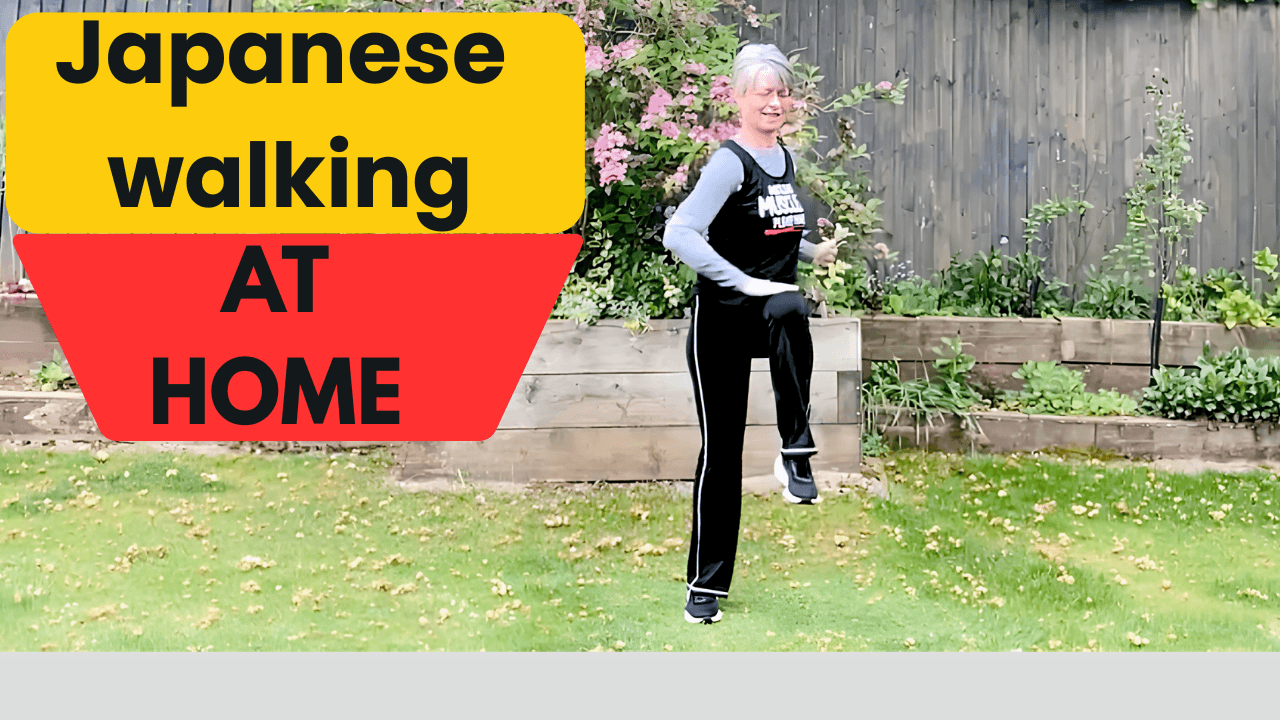
The Japanese Walking Method, also known as Interval Walking Training (IWT), is a scientifically researched walking technique developed in Japan to improve fitness, support fat loss, boost metabolism, and strengthen the heart.
Rather than walking at one steady pace, this method alternates between slow and faster walking, making it far more effective than traditional walking—while remaining low‑impact and joint‑friendly.
What Is the Japanese Walking Method?
The method is refreshingly simple:
Walk at a comfortable, slower pace for 3 minutes
Walk at a faster, more purposeful pace for 3 minutes
Repeat this cycle for up to 30 minutes
This alternating pattern gently raises your heart rate, challenges your muscles, and increases calorie burn—without the pounding impact of running.
Research suggests this style of walking can deliver significantly greater benefits than aiming for 10,000 steps a day, particularly for midlife adults.
Where Did Japanese Walking Come From?
Interval Walking Training was developed following a landmark 2007 study by researchers at Shinshu University in Japan.
In this study, researchers compared two groups of middle‑aged and older adults:
One group followed interval walking training
The other walked a steady 8,000 steps per day
The aim was to examine whether interval walking could improve:
Leg muscle strength
Aerobic fitness
Blood pressure
The Results (After 6 Months)
Compared with steady walking, the interval walking group achieved:
13% increase in knee extension strength
17% increase in knee flexion strength
9% increase in peak aerobic capacity
Greater reductions in resting systolic blood pressure
These improvements were significantly greater than those seen in the steady‑walking group.
Why Is Japanese Walking Suddenly So Popular?
Although the research has been around for years, the method has recently surged in popularity after taking off on social media—particularly TikTok—where it became widely known as “Japanese walking.”
Search interest reflects this rapid rise:
October 2024: ~260 monthly searches
June 2025: ~14,800 monthly searches
February 2026: ~49,500 monthly searches
This isn’t just a trend, though. In Japan, walking is deeply embedded into daily life and wellbeing culture, contributing to longevity and overall health. Japanese walking simply refines what many already do—by making it more effective.
How Is Japanese Walking Different from Steady Walking?
Japanese walking is considered a form of high‑intensity interval training (HIIT)—but without the intimidating feel of traditional HIIT workouts.
Faster intervals: ~70% of your maximum heart rate
Slower intervals: ~40% of your maximum heart rate
Total duration: up to 30 minutes
Steady‑state walking, by contrast, maintains one pace throughout. While still beneficial, it does not challenge the cardiovascular system or muscles to the same degree.
Benefits of Japanese Walking
1. Affordable and Accessible
No gym membership or special equipment required—just a pair of supportive trainers and a safe place to walk.
2. Easy to Fit into Daily Life
You can use Japanese walking:
On your commute
While walking the dog
Around your neighbourhood
Indoors, if space allows
Even getting off the bus one stop early can become a powerful workout.
3. Supports Fat Loss
A large 2019 systematic review and meta‑analysis comparing interval training with steady‑state exercise found that:
Both reduced body fat
Interval training resulted in 28.5% greater reductions in total fat mass than moderate‑intensity continuous training
4. Beginner‑Friendly and Joint‑Friendly
If you can walk, you can try Japanese walking. It’s far gentler on the joints than running, making it ideal if you’re returning to exercise or cautious about injury.
(As always, consult a healthcare professional if you have medical conditions or injuries.)
5. Time‑Efficient
10,000 steps can take 1–2.5 hours
Even 7,000 steps can take around an hour
Japanese walking delivers strong benefits in 20–30 minutes
6. Supports Mindfulness and Mental Wellbeing
Slower intervals allow you to tune into your breath and surroundings, helping reduce stress and improve mental clarity.
7. More Engaging Than Steady Walking
Alternating pace keeps walks interesting, which increases motivation and consistency.
8. Challenges the ‘All‑or‑Nothing’ Mindset
You don’t need extreme workouts to see results. Consistent, moderate effort often produces better long‑term outcomes.
Key Health Benefits at a Glance
Interval walking training may support:
Increased aerobic fitness
Higher calorie burn and metabolism
Improved heart health
Better bone health
Stronger leg muscles
Lower blood pressure
Improved blood sugar control
Reduced risk of lifestyle‑related diseases
Improved mood through endorphin, dopamine, and oxytocin release
Even shorter sessions (10–20 minutes, four times per week) can deliver meaningful health benefits.
Sign up here for your FREE Japanese Walking Workout 4-week Reset
Frequently Asked Questions
How Do I Know I’m Walking at the Right Intensity?
You can use a fitness tracker to monitor heart rate like this one Garmin vivoactive 5 GPS Smartwatch or simply go by feel using Rate of Perceived Exertion (RPE):
Slow intervals: 4/10 effort (comfortable but purposeful)
Fast intervals: 7/10 effort (breathing harder but still in control)
How Do I Time the Intervals?
Use a playlist of 3‑minute songs
Use an interval timer app such as Seconds (available on iOS and Android)
Does Japanese Walking Help with Weight Loss?
Yes—particularly when done consistently.
The faster intervals create what’s known as the afterburn effect (EPOC), where your metabolism remains elevated after exercise, allowing you to burn more calories over time.
Can Japanese Walking Help Burn Belly Fat?
No exercise can target belly fat alone. However, interval walking helps reduce overall body fat—including abdominal fat—when combined with healthy eating habits.
Is Japanese Walking Good for Menopausal Women?
Absolutely!
During perimenopause and menopause, hormonal changes can lead to:
Slower metabolism
Increased central fat storage
Reduced bone density
Higher cardiovascular risk
Mood changes
Japanese walking offers several specific benefits:
Metabolic Health
Helps regulate blood sugar, improve insulin sensitivity, and support weight management—especially when done after meals.
Cardiovascular Protection
Interval walking reduces systolic blood pressure more than steady walking, helping lower stroke and heart disease risk.
Bone Health
As a weight‑bearing activity, IWT helps maintain bone density—critical for postmenopausal women.
Mood and Mental Health
Regular interval walking can significantly reduce symptoms of anxiety and depression through hormonal and neurological effects.
Muscle Preservation
Supports muscle strength and lean mass, helping counter age‑related muscle loss and central fat gain.
Sign up here for your FREE Japanese Walking Workout 4-week Reset
Final Thoughts
Japanese interval walking is more than a social‑media trend. It’s a research‑backed, sustainable, and adaptable way to support fitness, weight management, and overall wellbeing—especially for women over 50.
Whether you’re rebuilding energy, managing menopause symptoms, or simply upgrading your daily walks, this method offers a practical and proven path forward.
References
1. Effects of high-intensity interval walking training on physical fitness and blood pressure in middle-aged and older people – National Library of Medicine
2. Is interval training the magic bullet for fat loss? A systematic review and meta-analysis comparing moderate-intensity continuous training with high-intensity interval training (HIIT) https://pubmed.ncbi.nlm.nih.gov/30765340/
3. What is Japanese walking? – Women’s Health
Sign up here for your FREE Japanese Walking Workout 4-week Reset
Get your Free
Japanese Walking
Reset Plan
💬 What you get:
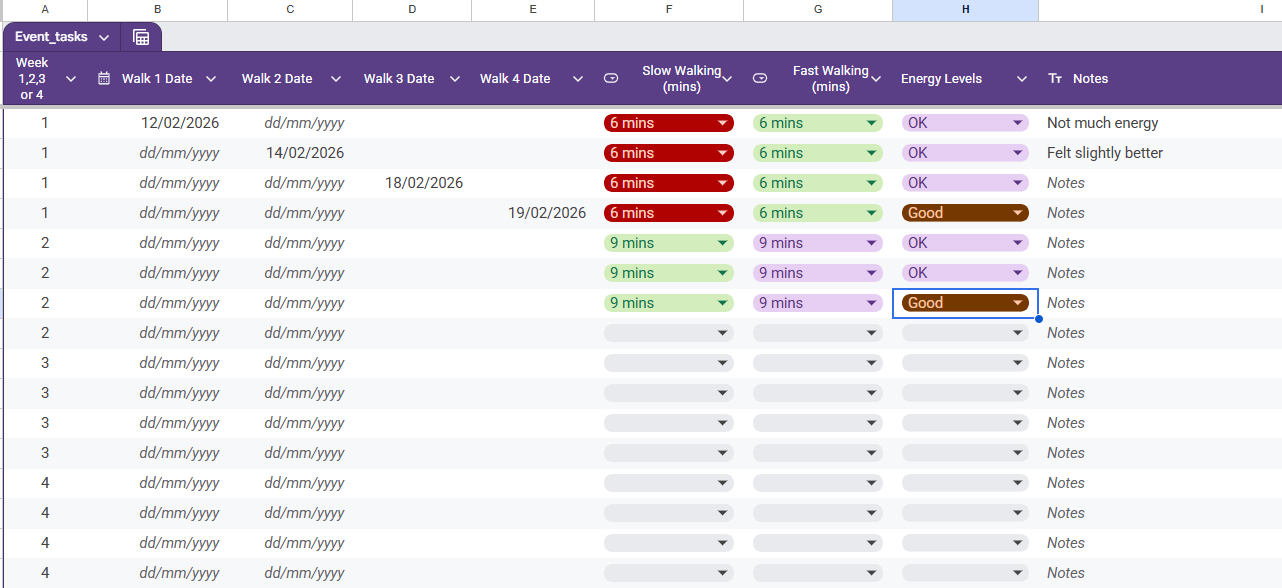
A simple 4-week walking structure (4 walks per week)
A guided progress tracker you can copy and use instantly
A short setup video (perfect if you’re not techy!)
A way to track your waist, energy, and wins
Links to my guided walking videos to follow along
✅ Simple. Structured. Designed for Real Results.
If you’re over 50 and want to feel fitter, stronger, and more confident — but don’t want extreme workouts or gym pressure — this reset is for you.
I’ve created a simple 4-week Japanese Walking plan to help you stay consistent and actually see progress.
No guesswork. No overwhelm.
Just smart structure that works
Stay Connected with Jackie
Follow me on social media to dive into a world of fitness, nutrition and wellness insights
Let's connect and get healthy together!
Join My Skool ➡️➡️➡️
Community for Women over 50